Is plastic in the sea going to kill all of us?
No. But the less dramatic truth is still ugly enough to demand action.
GOT 30 SECONDS?
The short answer
Plastic pollution is not a single doomsday switch. It is a long-lasting system problem that injures wildlife, damages habitats, enters food chains and keeps growing when waste escapes into rivers and seas.
Start with what plastic is already doing
A turtle tangled in fishing line does not need a future health study to prove it is in trouble. Animals swallow bags and fragments, abandoned fishing gear keeps trapping marine life, and plastic waste collects on coasts and in mangroves.
Sunlight and waves do not make most plastic disappear. They break it into smaller pieces that are harder to remove and easier to spread.
What about the plastic inside us?
Researchers have found tiny plastic particles in water, food, air and human tissues. That tells us exposure is real. It does not yet give one simple answer for what every level of exposure does to human health.
The sensible response is neither “we are all doomed” nor “nothing has been proven, so ignore it.” Reduce unnecessary exposure and pollution while better evidence develops.
In Southeast Asia, the journey can start at the drain
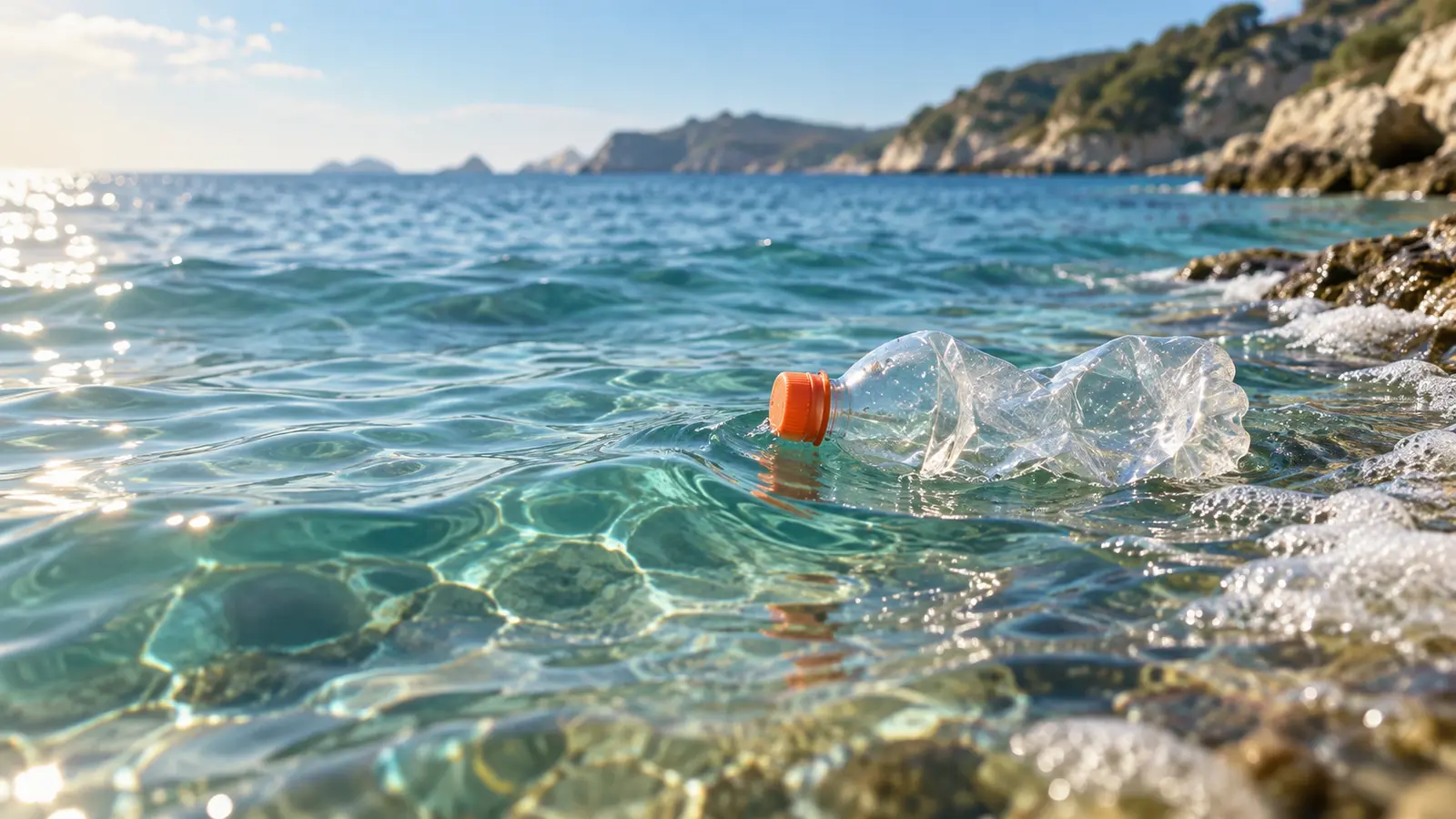
A cup dropped beside a road can enter a storm drain, move into a river and reach the coast. Heavy rain makes that journey faster. Open dumping, weak collection and overflowing bins turn local waste failures into a marine problem.
Beach clean-ups remove what has already escaped. Reliable collection, drain capture, product design and enforcement stop more waste before volunteers ever see it.
Recycling cannot carry the whole problem
Some plastics are valuable and easy to recycle. Others are dirty, mixed, layered or worth less than the cost of collecting them. A recycling logo does not guarantee that a local facility can process the item.
The biggest gains come from using less unnecessary packaging, reusing products where it makes sense and designing materials that collection systems can actually handle.
So, how worried should we be?
Worried enough to act, not paralysed enough to give up. The ocean will not be saved by one metal straw, and it will not be destroyed by one forgotten bottle. Scale matters.
Look for changes that prevent tonnes of leakage: better collection, producer responsibility, smarter packaging and controls on lost fishing gear. Personal habits help most when they support those bigger systems.
TAKE THIS WITH YOU
Plastic pollution is not a movie ending. It is a daily leak—and stopping the leak matters more than arguing about the scariest headline.
Sources
Used to check the facts in this story.