If food smells fine, is it safe to eat?
Your nose can spot spoiled food. It cannot detect every germ that can make you sick.
GOT 30 SECONDS?
The short answer
No. Dangerous bacteria can grow without changing the smell, taste or appearance. The safer decision comes from knowing how long the food sat out, how cold the fridge is and how quickly leftovers were cooled.
The fried-rice problem
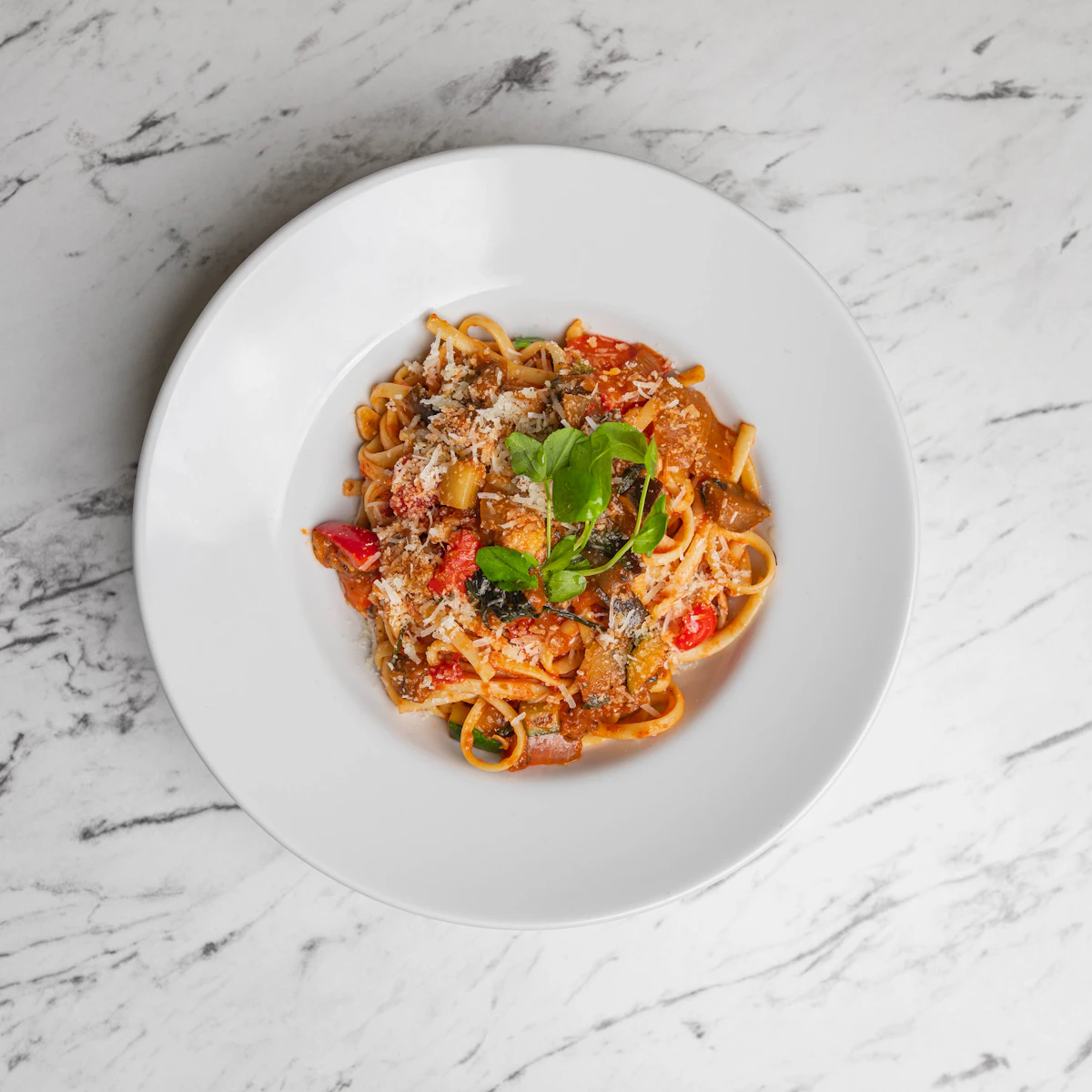
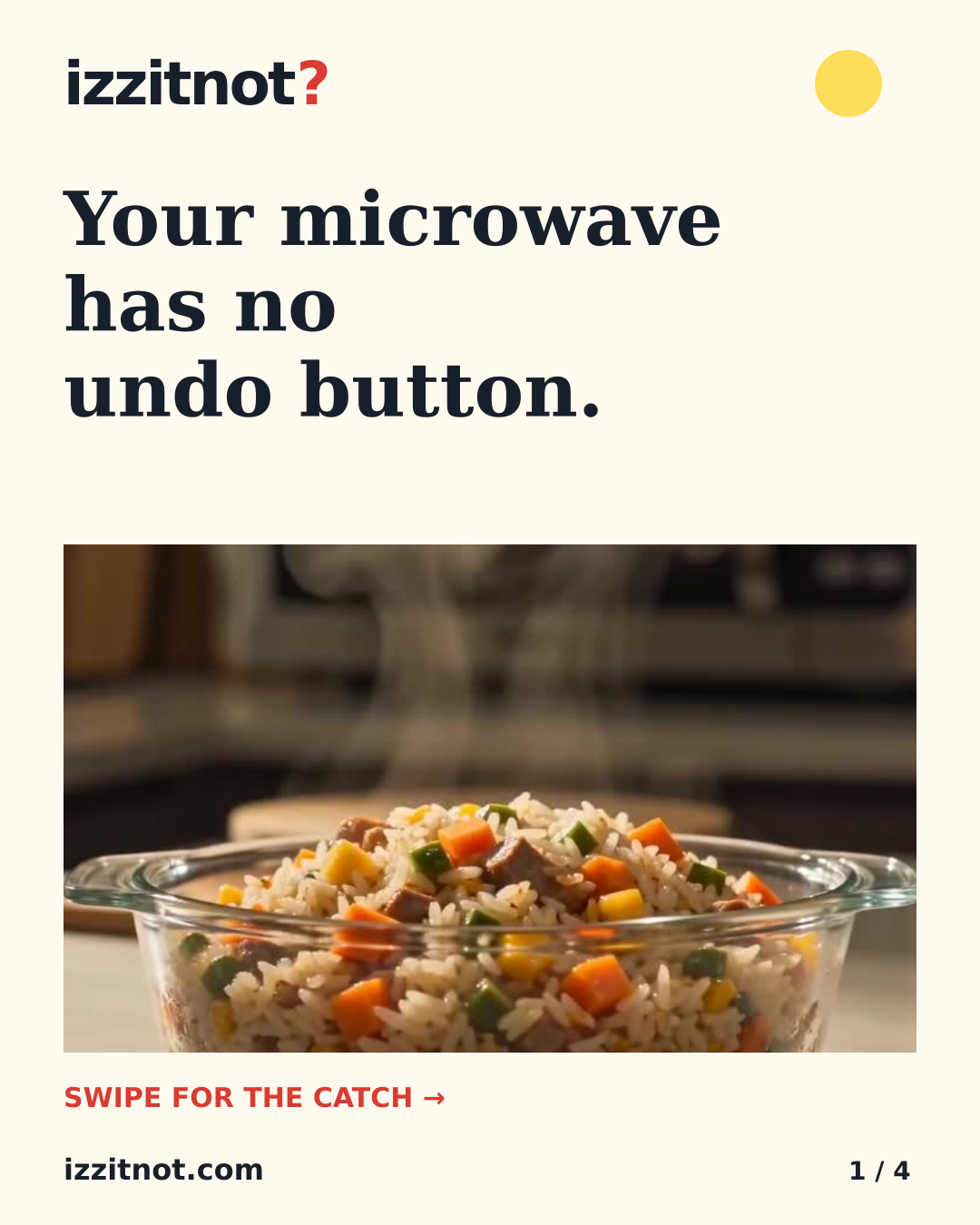
You open yesterday’s fried rice. It smells normal. The chicken looks fine. You microwave it until it is steaming. Safe?
The missing fact is where the rice spent the night. If it was cooled quickly and refrigerated, that is one situation. If it sat on the dining table until midnight in a warm room, smell cannot rewind those hours.
Why your nose cannot clear the food
Spoilage microbes often announce themselves with sour smells, slime or mould. The bacteria that cause food poisoning may leave no obvious warning. A clean smell proves only that your nose did not detect spoilage.
That is why tasting a small bite is a poor safety test. If storage was questionable, one mouthful is already the gamble.
Time and temperature do the real work
Keep the fridge at 4°C or colder. Refrigerate perishable food within two hours, or within one hour when the surrounding temperature is above 32°C. In Malaysia, a car boot, hawker-centre table or kitchen can cross that hotter limit easily.
Large pots cool slowly. Divide curries, rice and stews into shallow containers so the centre cools faster. Write the date on the lid. A fridge full of anonymous containers turns every meal into detective work.
Reheating is not a magic reset button
Heating leftovers thoroughly kills many bacteria, but some toxins can remain after the bacteria have grown. Reheating also does nothing about the hours food spent warm before it reached the fridge.
The winning routine is boring and effective: serve, cool promptly, refrigerate, reheat thoroughly and discard when the history is unclear.
A 20-second decision
Ask three things: When was it cooked? How long was it unrefrigerated? Has it stayed properly cold? If you cannot answer, the smell is not enough.
Food waste feels bad. Food poisoning feels worse. When the storage story is doubtful, throw it away and fix the routine for next time.
TAKE THIS WITH YOU
Trust the storage history more than the smell. If you do not know how long it was warm, do not let your nose make the decision.
WATCH · 22 SECONDS
Your microwave has no undo button.
“Just heat it up. It’ll be fine.” Izzitnot?
Read the full story ↗The catch, in four slides.
Swipe across, or use your keyboard to scroll.
Sources
Used to check the facts in this story.